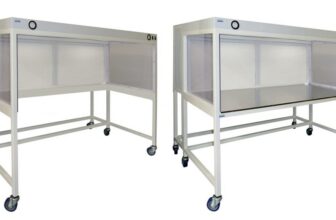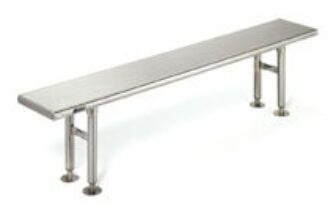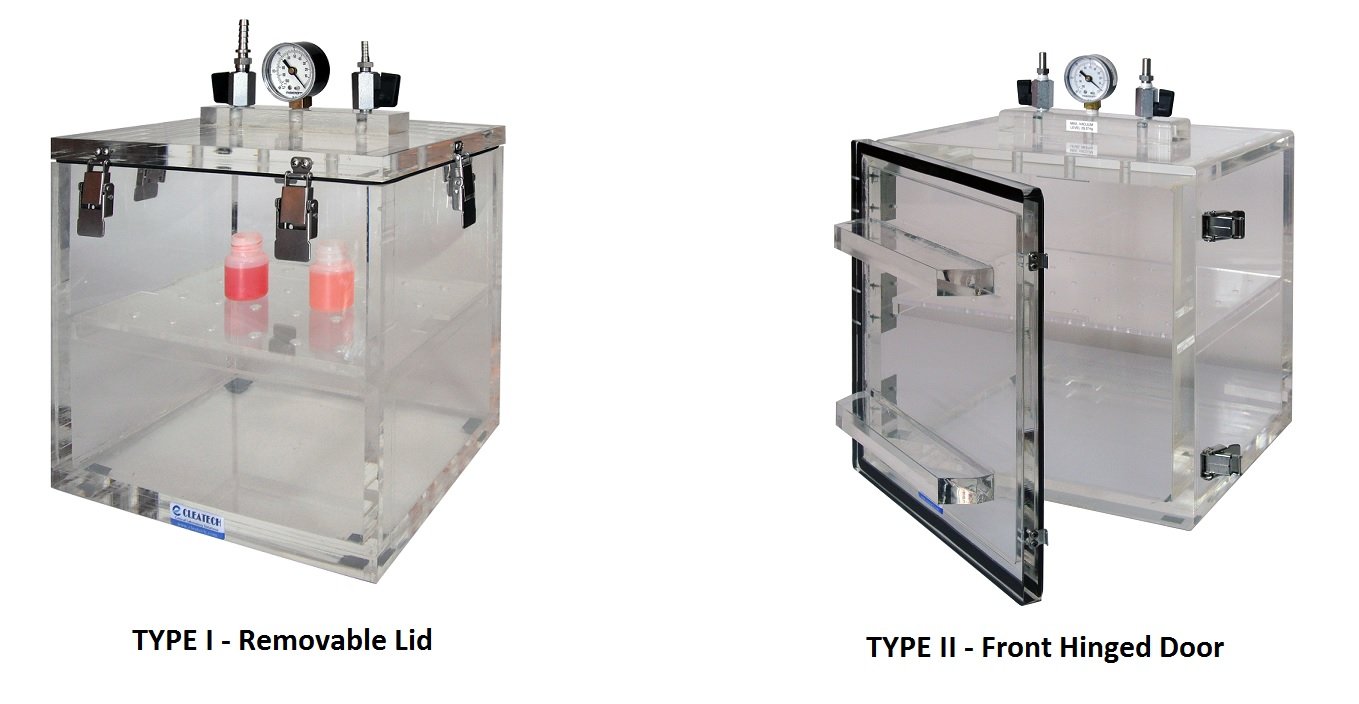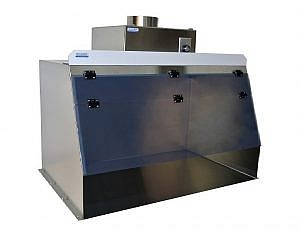
When you invest in a fume hood for your laboratory, durability should never be an afterthought. Your workspace depends on reliable equipment that can withstand chemical exposure, constant use, and demanding safety standards. A poorly built hood can lead to corrosion, contamination risks, and expensive repairs. That is why you need to carefully evaluate the durability of a stainless steel fume hood before making a purchase.
Understanding what makes a fume hood durable helps you choose equipment that performs consistently for years while protecting your team and laboratory processes.
Understand Why Stainless Steel Matters
Not all fume hoods are built from the same materials. Stainless steel is widely preferred in laboratories because it offers strong resistance to corrosion, heat, and chemical exposure. Unlike painted steel or wood-based structures, stainless steel maintains its structural integrity even in harsh laboratory conditions.
When you choose a high-quality stainless steel fume hood for chemical-resistant laboratory environments, you gain long-term reliability and easier maintenance. Stainless steel surfaces are also simpler to clean, making them ideal for controlled environments where contamination prevention is critical.
However, durability depends on more than just the presence of stainless steel. You must evaluate the overall construction quality and design features.
Check the Grade of Stainless Steel
One of the first things you should examine is the stainless steel grade used in the hood construction. Different grades provide different levels of corrosion resistance.
For example:
- 304 stainless steel works well for general laboratory applications.
- 316 stainless steel offers better resistance to corrosive chemicals and moisture-heavy environments.
If your laboratory handles aggressive chemicals, acids, or solvents, you should prioritize higher-grade stainless steel. Lower-quality grades may initially appear cost-effective but often deteriorate faster under chemical exposure.
Ask the manufacturer for detailed material specifications instead of relying on generic descriptions.
Inspect Weld Quality and Construction
Durability often comes down to craftsmanship. Weak welds and poor assembly can shorten the lifespan of your fume hood significantly.
When evaluating a hood, look for:
- Smooth and continuous welds
- Reinforced corners
- Seamless joints
- Solid frame support
- Uniform finishing
Poor welding may create weak points where corrosion begins. Rough seams can also trap contaminants, making cleaning difficult.
A professionally manufactured hood should feel structurally solid without loose panels or unstable surfaces. Precision engineering improves both durability and laboratory safety.
Evaluate Chemical Resistance
Your laboratory applications determine the type of durability you need. Some fume hoods handle light-duty applications, while others are built for continuous exposure to aggressive substances.
You should verify whether the hood resists:
- Acids
- Solvents
- Corrosive vapors
- High humidity
- Heat exposure
Chemical compatibility charts can help you determine whether the hood material suits your environment. Choosing the wrong material may result in corrosion, staining, or equipment failure over time.
Laboratories handling sensitive operations often prefer specialized stainless steel systems from trusted manufacturers like CleaTech LLC laboratory containment equipment specialists because of their focus on cleanroom and laboratory-grade performance.
Examine Airflow System Durability
A durable fume hood is not only about the exterior structure. The airflow and ventilation system must also withstand long-term operation.
You should inspect:
- Fan quality
- Duct material
- Airflow consistency
- Corrosion-resistant internal components
- Filter housing durability
A weak ventilation system may lose efficiency over time, compromising laboratory safety. Consistent airflow is essential for capturing harmful fumes effectively.
Ask about airflow testing procedures and maintenance requirements before purchasing the equipment.
Assess Surface Finish and Maintenance Requirements
The surface finish directly impacts durability and cleaning efficiency. High-quality stainless steel fume hoods usually feature smooth, polished finishes that resist staining and bacterial buildup.
You should look for surfaces that:
- Resist scratches
- Prevent chemical residue accumulation
- Allow easy cleaning
- Maintain appearance after repeated use
Laboratories with strict cleanliness standards benefit from smooth stainless steel surfaces because they reduce contamination risks.
Easy maintenance also extends the lifespan of the equipment. Complicated cleaning procedures often lead to neglected upkeep, which accelerates wear and corrosion.
Verify Compliance With Safety Standards
Durability and safety often go hand in hand. A properly tested fume hood generally performs better over time because it is engineered to meet strict industry requirements.
Look for compliance with recognized laboratory safety standards such as:
- ASHRAE standards
- SEFA guidelines
- OSHA requirements
- ISO certifications
Certified equipment usually undergoes rigorous performance testing, including airflow stability and material durability evaluations.
Choosing compliant equipment gives you confidence in both performance and longevity.
Consider Customization and Laboratory Needs
Every laboratory operates differently. A durable fume hood should align with your workflow, chemical handling requirements, and space limitations.
You should evaluate:
- Hood dimensions
- Work surface strength
- Accessibility
- Utility integration
- Storage compatibility
Custom-built systems often provide better long-term value because they are designed specifically for your applications.
For example, laboratories working with sensitive electronics, pharmaceuticals, or hazardous chemicals may require specialized airflow configurations and stainless steel designs.
Review Manufacturer Reputation
Even the best materials can fail if manufacturing standards are poor. Before making a decision, research the company’s experience and customer support.
Reliable manufacturers typically provide:
- Detailed product specifications
- Engineering support
- Warranty coverage
- Technical assistance
- Installation guidance
Reading customer reviews and case studies can help you understand how the equipment performs in real laboratory environments.
If you need expert guidance for selecting durable laboratory containment equipment, contact us today for stainless steel fume hood consultation and product recommendations tailored to your application.
Plan for Long-Term Value
A durable stainless steel fume hood may cost more upfront, but it usually reduces long-term expenses. Frequent repairs, corrosion damage, and replacement costs can quickly exceed the savings from purchasing lower-quality equipment.
Focus on total ownership value rather than initial price alone. High-quality stainless steel construction, reliable airflow systems, and corrosion resistance can significantly extend service life.
Investing in durable laboratory equipment helps you maintain safer operations, reduce downtime, and improve overall efficiency.
FAQs About Stainless Steel Fume Hood Durability
Why is stainless steel preferred for fume hoods?
Stainless steel offers excellent resistance to corrosion, chemicals, heat, and moisture. It also provides easy cleaning and long-term structural stability, making it ideal for laboratory environments.
Which stainless steel grade is best for corrosive chemicals?
316 stainless steel is typically better for highly corrosive applications because it provides stronger chemical resistance than 304 stainless steel.
How long does a stainless steel fume hood last?
A high-quality stainless steel fume hood can last many years with proper maintenance, often exceeding a decade in controlled laboratory conditions.
What signs indicate poor fume hood durability?
Common warning signs include rust, weak welds, inconsistent airflow, surface discoloration, loose panels, and corrosion around joints or seams.
Does regular maintenance improve fume hood lifespan?
Yes. Routine cleaning, airflow inspections, and preventive maintenance help extend equipment life while maintaining laboratory safety and performance.