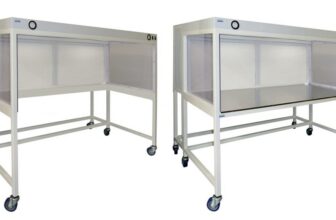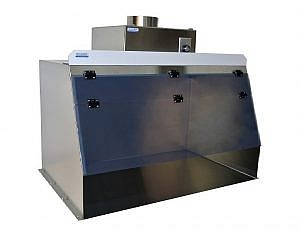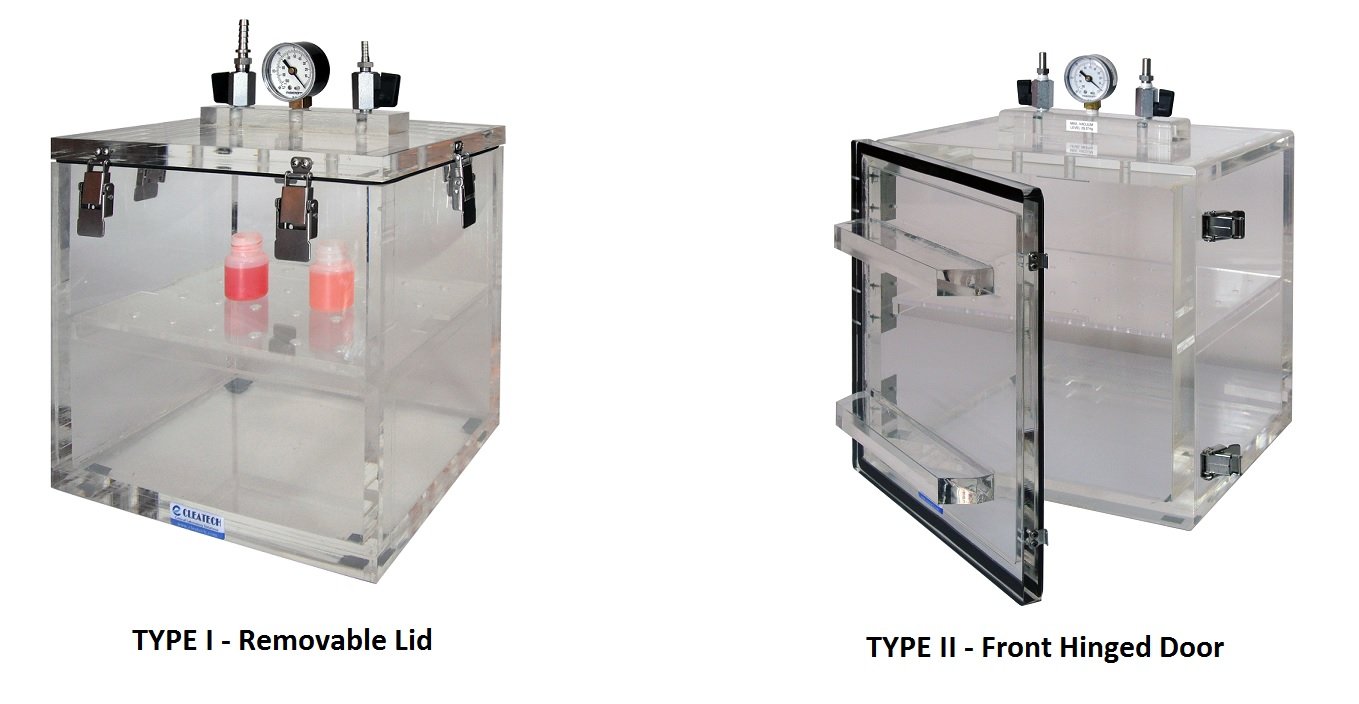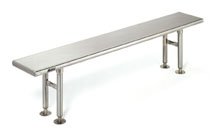
Maintaining compliance in controlled environments requires more than strict procedures and employee training. The physical setup of your facility plays a critical role in supporting contamination control, workflow efficiency, and regulatory requirements. One often-overlooked factor is the furniture used in gowning areas. When you invest in high-quality gowning room furniture, you create an organized environment that helps personnel follow proper protocols consistently.
If you operate a cleanroom, laboratory, pharmaceutical facility, or electronics manufacturing space, understanding how gowning room furniture improves compliance can help you reduce contamination risks and maintain operational excellence.
Why Compliance Starts in the Gowning Room
The gowning room serves as the transition area between uncontrolled and controlled environments. This is where personnel put on protective garments, store personal belongings, and prepare to enter sensitive workspaces.
Any disruption in this process can introduce contaminants into the cleanroom. Poor organization, inadequate storage, and inefficient layouts often lead to procedural mistakes. By creating a structured gowning area, you encourage employees to follow established protocols every time they enter or exit the controlled environment.
Proper furniture provides designated locations for garments, supplies, and personal items, helping you maintain a clear separation between clean and dirty zones.
Supports Proper Gowning Procedures
One of the biggest benefits of using specialized gowning room furniture is that it promotes consistent gowning practices.
Furniture designed specifically for cleanroom environments often includes:
- Garment storage cabinets
- Shoe storage systems
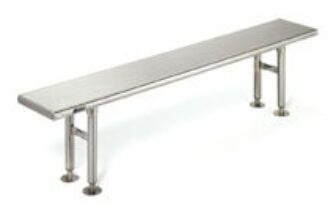
- Bench seating
- Lockers
- Pass-through storage units
- Stainless steel shelving
These components guide personnel through the correct dressing sequence. When employees have a designated place for each item, they are less likely to skip steps or improperly handle cleanroom apparel.
For example, implementing a cleanroom gowning room furniture system for contamination control and compliance can simplify workflow while reducing the risk of cross-contamination.
Reduces Cross-Contamination Risks
Compliance standards often focus heavily on contamination prevention. Every surface, material, and process within the gowning room should contribute to cleanliness.
Specialized furniture is typically manufactured from materials such as stainless steel, powder-coated steel, or cleanroom-compatible polymers. These materials resist particle generation and are easy to clean and disinfect.
By using dedicated storage areas and clearly defined workspaces, you minimize contact between contaminated and clean items. This separation significantly reduces the chances of contaminants reaching critical production or research areas.
Improves Employee Organization
Even the most experienced personnel can make mistakes when working in cluttered environments. Disorganized gowning rooms create confusion and increase the likelihood of procedural errors.
Well-designed furniture helps you:
- Store garments neatly
- Organize PPE supplies
- Separate clean and used items
- Maintain clear traffic flow
- Reduce workplace clutter
When everything has a designated location, employees can complete gowning procedures quickly and accurately. This improved organization directly supports compliance efforts by making proper behavior easier to follow.
Enhances Cleanroom Workflow
Compliance is not only about preventing contamination. It also involves ensuring that procedures are consistently followed without interruption.
An efficient gowning room layout supports a logical progression from entry to exit. Strategic placement of benches, lockers, storage cabinets, and garment racks allows personnel to move through the process without confusion.
Using ergonomic gowning room furniture solutions for cleanroom workflow optimization can reduce bottlenecks, improve productivity, and encourage adherence to standard operating procedures.
When employees can complete tasks efficiently, compliance becomes a natural part of the workflow rather than an additional burden.
Facilitates Easier Cleaning and Maintenance
Regulatory audits often assess the cleanliness of controlled environments. Furniture that is difficult to clean can become a source of contamination and compliance issues.
Cleanroom-grade furniture is designed with smooth surfaces, minimal crevices, and durable finishes that simplify sanitation procedures.
Benefits include:
- Faster cleaning routines
- Reduced particle accumulation
- Improved disinfectant compatibility
- Lower maintenance requirements
- Better long-term cleanliness
These features help your facility maintain compliance standards while reducing labor costs associated with cleaning and upkeep.
Supports Regulatory Requirements
Industries such as pharmaceuticals, biotechnology, medical device manufacturing, aerospace, and electronics must meet strict regulatory standards.
Organizations including the FDA, ISO, and GMP frameworks emphasize contamination control, personnel hygiene, and environmental monitoring. Proper gowning room design contributes directly to these objectives.
Using professionally designed furniture demonstrates your commitment to maintaining a controlled environment and can help support successful inspections and audits.
Many facilities choose solutions from CleaTech LLC, a company known for manufacturing cleanroom equipment and contamination-control products that support regulatory compliance throughout controlled environments.
Encourages Employee Accountability
Compliance improves when employees understand expectations and have the resources needed to meet them.
Clearly designated storage locations and organized workstations create accountability. Personnel know where garments belong, where supplies are stored, and how the gowning process should be completed.
Visual organization reinforces training programs and helps reduce procedural deviations. Over time, this consistency strengthens your facility’s compliance culture and improves operational performance.
Choosing the Right Gowning Room Furniture
When selecting furniture for your gowning area, consider the following factors:
- Cleanroom classification requirements
- Available floor space
- Material compatibility
- Storage capacity needs
- Cleaning and maintenance requirements
- Employee workflow patterns
Investing in quality furniture designed specifically for controlled environments can provide long-term benefits through improved compliance, efficiency, and contamination control.
Conclusion
Gowning room furniture is much more than a collection of benches and storage units. It serves as a critical component of your contamination-control strategy and helps employees consistently follow required procedures.
By improving organization, supporting proper gowning practices, reducing contamination risks, and facilitating cleaning, specialized furniture strengthens compliance across your entire operation. Whether you manage a pharmaceutical facility, research laboratory, or advanced manufacturing cleanroom, the right furniture can make a measurable difference in both regulatory performance and operational efficiency.
Explore high-quality gowning room furniture for cleanroom compliance and contamination control from CleaTech LLC to create a more organized and compliant environment. For customized solutions and expert guidance, Contact us today to discuss your facility’s requirements.
Frequently Asked Questions
What is gowning room furniture?
Gowning room furniture includes benches, lockers, cabinets, shelving units, garment racks, and storage systems specifically designed for cleanroom and controlled environments.
Why is gowning room furniture important for compliance?
It helps personnel follow proper gowning procedures, reduces contamination risks, improves organization, and supports regulatory requirements.
What materials are commonly used in gowning room furniture?
Stainless steel, powder-coated steel, and cleanroom-compatible polymers are commonly used because they are durable, easy to clean, and resistant to particle generation.
How does gowning room furniture reduce contamination?
Dedicated storage areas and cleanroom-compatible materials help separate clean and contaminated items while minimizing particle accumulation.
Where can you find professional gowning room furniture solutions?
You can find specialized cleanroom furniture and contamination-control equipment from CleaTech LLC, which offers solutions designed for cleanrooms, laboratories, and controlled environments.