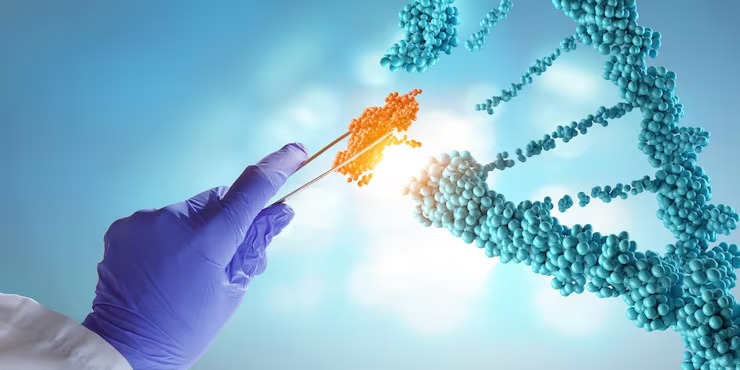
When you perform antibody purification, your elution step directly affects antibody recovery, purity, stability, and downstream performance. Selecting suitable elution conditions requires more than choosing a buffer with a low pH. You need to consider antibody characteristics, resin behavior, exposure time, and the requirements of your final application. A carefully designed elution strategy can help you recover your target antibody efficiently while limiting aggregation and structural damage.
Understand the Purpose of Elution
Protein A captures antibodies through interactions with the Fc region, allowing you to separate immunoglobulins from many unwanted components. During elution, you need to weaken this interaction without unnecessarily compromising antibody quality.
Acidic buffers are commonly used because lowering the pH can disrupt Protein A–antibody binding. However, the ideal pH and exposure time can vary depending on your antibody and purification system. If the conditions are too mild, antibody recovery may be incomplete. If they are too harsh, you may increase the risk of aggregation or other unwanted changes.
Your objective should therefore be a practical balance between recovery, purity, and product stability.
Start With Antibody Stability
Before selecting an elution buffer, determine how your antibody responds to changes in pH. Some antibodies tolerate short exposure to acidic conditions well, while others can become unstable quickly.
Review available stability data and consider performing a small-scale screening experiment. You can compare several acidic conditions and monitor:
- Antibody recovery
- Purity
- Aggregation
- Fragment formation
- Appearance
- Downstream activity
This approach gives you experimental evidence rather than relying on a single generic condition.
Evaluate Elution pH
Elution pH is one of the most important variables in Protein A Antibody Purification. Lowering the pH weakens the antibody-resin interaction and promotes antibody release.
You can screen a suitable pH range around your established operating conditions rather than immediately selecting the most acidic option. Test each condition consistently and compare the resulting fractions.
If two conditions provide similar recovery, the condition that places less stress on the antibody may be preferable for a sensitive molecule. Your final selection should reflect both chromatographic performance and product quality.
Control Exposure Time
pH is not the only factor that matters. The amount of time your antibody remains exposed to the elution environment can also affect its stability.
You can reduce unnecessary exposure by collecting eluted antibody promptly and controlling the residence time during the process. This is particularly important when working with antibodies that show sensitivity to acidic environments.
Small-scale testing can help you determine whether shorter exposure provides comparable recovery while reducing the potential for product degradation.
Consider Neutralization
Rapid neutralization can be an important part of your elution strategy. Once the antibody leaves the Protein A column, you can bring the collected fraction toward a more suitable pH using an appropriate neutralization approach.
Plan your collection and neutralization steps together. Avoid designing an elution process without considering what happens immediately after collection. The resulting pH, buffer composition, concentration, and temperature can influence antibody stability.
You should also confirm that the neutralization method does not introduce unnecessary dilution or interfere with downstream purification.
Compare Recovery and Purity
A condition that produces high recovery is not automatically the right choice. Your elution fractions should be evaluated for both quantity and quality.
For example, compare antibody concentration with analytical purity and aggregation measurements. If one condition produces slightly lower recovery but substantially better product quality, that difference may matter more for your intended application.
You can also examine separate elution fractions to determine whether the antibody is released efficiently or whether significant product remains associated with the resin.
Match Conditions to Your Downstream Process
Your final application should influence how you select elution conditions. Antibodies intended for research assays may have different requirements from material intended for additional purification, structural studies, or sensitive biological testing.
Consider factors such as:
- Required antibody concentration
- Acceptable aggregation level
- Buffer compatibility
- Salt concentration
- Need for further purification
- Sensitivity of downstream assays
When you understand these requirements before chromatography, you can develop an elution strategy that fits the complete workflow rather than optimizing one step in isolation.
Use Small-Scale Screening Before Process Changes
If you are developing or modifying a purification process, test elution conditions at small scale first. This lets you compare multiple variables while limiting material consumption.
Keep the loading amount, resin quantity, flow conditions, and analytical methods consistent when comparing experiments. Change one major variable at a time whenever practical so you can identify which condition is responsible for differences in performance.
Record recovery, purity, aggregation, and other relevant observations for every condition. Your results can then provide a clear basis for selecting the working method.
Choose Conditions Based on Evidence
The best elution condition is the one that meets your antibody’s recovery and quality requirements under your specific process conditions. Avoid assuming that a commonly used buffer or pH will produce the same result for every antibody.
For specialized purification requirements, Lytic Solutions, LLC provides resources and solutions for protein purification workflows. You can review its capabilities when evaluating options for antibody purification and related protein processing needs.
If you need assistance with your specific workflow, you can Contact us today to discuss your requirements and determine an appropriate approach.
Conclusion
Selecting elution conditions for Protein A antibody purification requires you to evaluate pH, exposure time, neutralization, antibody stability, recovery, and downstream requirements together. Start with controlled small-scale screening, measure both quantity and quality, and select conditions that release your antibody efficiently while maintaining the characteristics required for your application.
Frequently Asked Questions
What is the purpose of elution in Protein A antibody purification?
Elution releases the captured antibody from Protein A resin by weakening the antibody-resin interaction. Proper conditions help you recover the target while maintaining acceptable purity and stability.
Why is low pH commonly used for Protein A elution?
Low pH can disrupt Protein A–antibody interactions, allowing the antibody to leave the resin. The exact condition should be selected according to antibody stability and recovery requirements.
How do you choose the right elution pH?
You should screen suitable acidic conditions and compare antibody recovery, purity, aggregation, and stability. The selected pH should provide effective release without placing unnecessary stress on the antibody.
Can elution conditions cause antibody aggregation?
Yes. Exposure to unsuitable conditions can contribute to aggregation or other quality changes in some antibodies. Monitoring product quality during condition screening helps identify problematic conditions.
Does elution time affect antibody quality?
Yes. Longer exposure to an unfavorable elution environment can affect sensitive antibodies. Controlling collection and minimizing unnecessary exposure can support product stability.
Why is immediate neutralization considered?
Neutralization can reduce the antibody’s exposure to acidic conditions after elution. It can help move the collected material toward a more suitable environment for antibody stability.
Should you test multiple Protein A elution conditions?
Yes. Small-scale screening of several conditions can help you compare recovery and product quality before selecting conditions for a larger purification process.
What should you measure after antibody elution?
You should consider measuring antibody concentration, purity, aggregation, and other quality attributes relevant to your downstream application.
How can downstream requirements affect elution selection?
Your downstream process may have specific requirements for concentration, buffer composition, aggregation, and antibody activity. These factors should be considered when selecting elution conditions.
What is a practical way to develop an elution strategy?
Begin with small-scale experiments, control the major process variables, compare analytical results, and select conditions based on recovery and antibody quality rather than recovery alone.