For small businesses, reaching the right customers without wasting money is one of the biggest marketing challenges. Traditional advertising can be expensive, while organic marketing often takes considerable time to produce consistent results. Pay-per-click advertising offers a practical alternative by helping businesses reach people who are already searching for relevant products or services. With the right strategy, PPC Services can provide targeted traffic, measurable results, and opportunities to generate leads or sales within a relatively short period.
What Is PPC Advertising?
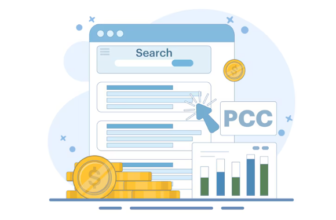
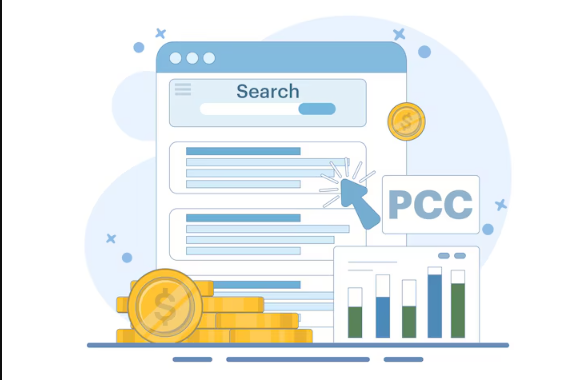
PPC stands for pay-per-click, a digital advertising model in which advertisers generally pay when someone clicks on an ad. Search advertising is particularly useful because ads can appear when potential customers actively search for specific products, services, or solutions.
For example, a local plumbing company could target searches such as “emergency plumber near me” or “plumbing services in [city].” Instead of waiting for someone to discover the business organically, the company can compete for visibility at the moment the searcher has an immediate need.
Google Ads allows advertisers to choose campaign goals, select campaign types, establish budgets, and create targeted advertisements. Its auction system considers factors beyond the advertiser’s bid, including relevance and ad quality, meaning a carefully structured campaign can compete effectively without simply relying on the largest budget.
Why PPC Can Benefit Small Businesses
One of the biggest advantages of paid advertising is control. A small business can determine how much it is comfortable spending, which locations it wants to target, what searches are relevant, and which audiences should see its advertisements.
Here are several important benefits:
Faster Visibility
Organic search rankings can take months to develop. Paid advertising can provide visibility much sooner, making it useful for businesses launching a new service, promoting an offer, or entering a competitive market.
Targeted Customer Reach
Small businesses do not need to advertise to everyone. Campaigns can be focused on specific keywords, locations, devices, schedules, and audiences. This helps reduce irrelevant traffic and keeps advertising focused on potential customers.
Measurable Performance
PPC advertising provides data that can help business owners understand how their campaigns are performing. Metrics such as clicks, impressions, click-through rate, cost per click, conversions, and cost per conversion can reveal what is working and what needs improvement.
Flexible Budget Management
A small company does not necessarily need a massive advertising budget to begin testing paid campaigns. Google Ads uses an average daily budget for campaigns, giving advertisers a framework for controlling spending.
The important point is to start with a realistic amount that can generate enough data for meaningful evaluation rather than choosing a budget based purely on guesswork.
How PPC Services Work
Professional PPC Services generally involve several connected activities rather than simply creating an advertisement and waiting for clicks.
Keyword Research
The first step is identifying search terms that potential customers are likely to use. Good keyword research focuses on intent. Someone searching for “buy office chairs online” has a different level of commercial intent from someone searching for “types of office chairs.”
Businesses should prioritize relevant, commercially valuable keywords while identifying negative keywords that can prevent advertisements from appearing for unrelated searches.
Campaign and Ad Group Structure
A well-organized account separates campaigns and ad groups according to products, services, locations, or customer intent. This structure makes it easier to create relevant advertisements and evaluate performance.
Ad Copy Creation
An effective advertisement should quickly communicate what the business offers and why a customer should take action. Strong headlines, clear benefits, specific offers, and direct calls to action can make an ad more compelling.
Landing Page Optimization
Getting a click is only the beginning. If visitors arrive on a confusing, slow, or irrelevant landing page, the advertising budget can be wasted. The landing page should match the promise made in the advertisement and make the desired action simple.
Conversion Tracking
Businesses should measure meaningful actions rather than focusing only on traffic. Depending on the business, a conversion could be a phone call, form submission, purchase, appointment request, or quotation request. Tracking these actions makes it easier to understand whether advertising is contributing to business growth.
Choosing the Right PPC Strategy
A beginner should avoid launching multiple campaign types without understanding their purpose. Google currently offers several options, including Search, Display, Video, Shopping, Demand Gen, App, and Performance Max campaigns. Each is designed for different advertising objectives.
For many service-based small businesses, starting with tightly targeted Search campaigns can be a sensible approach because they can capture existing search demand. Once reliable conversion data is available, businesses can consider expanding into other formats.
Professional PPC Services can help businesses manage this process by combining keyword research, campaign setup, ad testing, bid management, audience targeting, conversion tracking, and ongoing optimization.
Understanding PPC Packages
Businesses may encounter different PPC Packages based on advertising goals, campaign complexity, account size, and management requirements. Some packages may focus on campaign setup, while others can include ongoing optimization, reporting, keyword research, ad testing, conversion tracking, and performance management.
When comparing packages, businesses should look beyond the number of services included. It is more important to understand what will actually be managed, how performance will be measured, how often campaigns will be reviewed, and whether the strategy is aligned with business objectives.
Common PPC Mistakes Beginners Should Avoid
Small businesses can make several costly mistakes when starting paid advertising.
Targeting overly broad keywords: Broad targeting can attract people who are unlikely to become customers.
Ignoring negative keywords: Negative keywords can help prevent ads from showing for irrelevant searches.
Sending every visitor to the homepage: A dedicated landing page is often more effective when it directly relates to the advertisement.
Focusing only on clicks: High traffic does not automatically mean high revenue. Conversions and business outcomes matter more.
Failing to test advertisements: Different headlines, offers, calls to action, and messaging can produce different results.
Stopping too quickly: Campaigns need enough relevant data to identify patterns. At the same time, poor-performing campaigns should not continue spending indefinitely without review.
How to Measure Success
The right performance indicators depend on the business objective. For lead generation, useful metrics may include qualified leads, cost per lead, conversion rate, and booked appointments. For e-commerce businesses, purchases, revenue, return on ad spend, and average order value may be more important.
A successful campaign is not necessarily the one that generates the most clicks. It is the one that contributes to valuable business outcomes while keeping acquisition costs within an acceptable range.
Businesses should also compare paid advertising results with their profit margins and customer lifetime value. A campaign can look expensive on a per-click basis but still be profitable if it consistently brings customers who generate significant revenue.
Final Thoughts
For small businesses, paid advertising can be a powerful way to connect with customers who are actively looking for relevant products or services. However, success depends on more than setting a budget and publishing an advertisement.
Effective PPC Services combine careful targeting, compelling advertising, relevant landing pages, conversion tracking, and continuous optimization. Businesses that approach PPC as an ongoing marketing process rather than a one-time activity are better positioned to learn from their data, reduce waste, and improve results over time.
FAQs
Is PPC suitable for every small business?
Not necessarily. PPC works best when there is enough search demand for the products or services being promoted and when the potential value of a customer supports the advertising cost. Businesses should assess demand, competition, margins, and customer lifetime value before investing.
How much should a small business spend on PPC?
There is no universal budget. The right amount depends on the industry, keyword competition, location, average customer value, and campaign objectives. It is generally better to establish a manageable testing budget and adjust it based on performance than to select an arbitrary amount.
How quickly can PPC generate results?
PPC can begin generating impressions and clicks soon after a campaign becomes active, but meaningful optimization requires performance data. The time needed to evaluate results depends on search volume, budget, conversion rates, and the business’s sales cycle.
Do small businesses need a landing page for PPC?
A dedicated landing page is not always mandatory, but it can improve the customer experience by matching the advertisement’s message and directing visitors toward a specific action. A relevant landing page can also make campaign performance easier to evaluate.
Can PPC and SEO work together?
Yes. PPC and SEO can complement one another. PPC can provide immediate visibility and keyword performance data, while SEO can help build long-term organic visibility. Using both strategically can create a more balanced search marketing approach.