

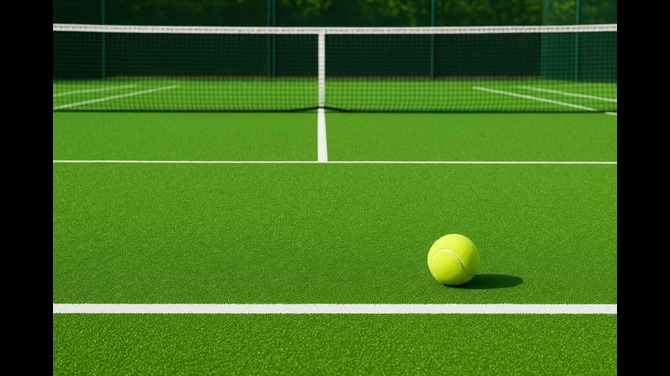
Pickleball has skyrocketed in popularity around the world — from recreational parks to professional facilities. But one element that often gets overlooked is court flooring. The surface you choose doesn’t just affect gameplay — it influences player safety, ball behavior, long-term durability, maintenance cost, and overall satisfaction.
This guide covers everything you need to know to choose, install, and maintain the right pickleball court flooring.
1. Why Flooring Matters in Pickleball
Pickleball court performance is highly influenced by surface characteristics. Good flooring:
✔ Ensures consistent ball bounce
✔ Reduces injury risk
✔ Supports quick lateral movement
✔ Offers proper traction
✔ Handles environmental wear (UV, moisture, freeze/thaw)
Poor flooring leads to inconsistent play and more injuries like ankle sprains or slips.
2. Key Performance Factors
Before we look at materials, here are the most important performance metrics:
a) Ball Bounce Consistency
Pickleball requires a predictable, medium-speed rebound — too fast and the game becomes hard to control; too slow and rallies are reduced.
b) Traction & Player Safety
The surface must grip shoes without sticking too much — proper traction prevents slips while allowing smooth direction changes.
c) Shock Absorption
Good courts reduce strain on knees and joints by absorbing impact. Hard concrete may be fast but can be tough on the body.
d) Durability
The court must withstand heavy usage and environmental forces (heat, rain, cold).
3. Types of Pickleball Flooring
A. Outdoor Hard Courts
1) Acrylic Surface (Modular or Coated)
Description: Multi-layered coatings applied over asphalt or concrete.
Use: Parks, clubs, residential courts.
Pros
-
Excellent ball bounce consistency
-
Weather resilient
-
Low maintenance
-
Cost-effective
Cons
-
Harder surface; less shock absorption
-
Susceptible to cracking if base shifts
Best For: Most outdoor courts.
B. Indoor Hard Courts
1) Wood (Maple or Hardwood)
Description: Traditional gym flooring with seal/coating.
Pros
-
Great ball response
-
Comfortable underfoot
-
Classic gym feel
Cons
-
High maintenance
-
Not for outdoor use
Best For: School gyms, indoor clubs.
2) Synthetic Sports Flooring (PVC / Vinyl)
Description: Engineered roll-out or interlocking sport surfaces.
Pros
-
Great shock absorption
-
Better player comfort
-
Easier resurfacing
Cons
-
Higher upfront cost
-
Requires level sub-floor
Best For: High-use indoor facilities.
C. Modular Outdoor Court Tiles
These interlocking tiles create a sport surface without coatings.
Pros
-
Quick installation
-
Excellent grip & drainage
-
Repairable by replacing sections
Cons
-
Higher cost vs acrylic
-
Ball bounce varies by tile quality
Best For: Backyard courts, community setups.
4. Detailed Comparison Chart
| Flooring Type | Bounce | Traction | Shock Absorb | Durability | Maintenance | Cost |
|---|---|---|---|---|---|---|
| Acrylic Coated | ★★★★☆ | ★★★★☆ | ★★☆☆☆ | ★★★★☆ | Low | $ |
| Interlocking Tiles | ★★★☆☆ | ★★★★★ | ★★★★☆ | ★★★☆☆ | Low-Med | $$ |
| Indoor Wood | ★★★★★ | ★★★★☆ | ★★★☆☆ | ★★★☆☆ | High | $$$ |
| PVC Sports Floor | ★★★★☆ | ★★★★☆ | ★★★★★ | ★★★★☆ | Medium | $$$ |
5. Installation Essentials
Sub-Base Requirements
Every good pickleball court starts with a solid sub-base:
-
Concrete — most stable; ideal for outdoor acrylic or tiles
-
Asphalt — economical, needs good grading
-
Level and smooth — critical for consistent ball bounce
Surface Slope & Drainage
Proper slope (1–1.5%) prevents water pooling. Outdoor courts must drain quickly after rain.
Line Markings
Standard pickleball lines are:
-
20 ft wide, 44 ft long
-
Net height: 36 in at sidelines, 34 in in the center
Use high-contrast paint for visibility.
6. Maintenance & Longevity
| Task | Frequency |
|---|---|
| Sweep debris (outdoor) | Daily/Weekly |
| Pressure wash (acrylic) | Quarterly |
| Line touch-up | Annually or as needed |
| Tile joint inspection | Bi-annually |
Avoid harsh chemical cleaners; mild soap and water is best.
Typical lifespan:
-
Acrylic: 8–12 years
-
Tiles: 10–15 years
-
Indoor wood/PVC: 10–20 years (with proper care)
7. Cost Guide (Approximate)
-
Acrylic Outdoor Court: $5–$15 per sq. ft
-
Interlocking Tiles: $12–$25 per sq. ft
-
Indoor PVC / Synthetic: $10–$20 per sq. ft
-
Hardwood (indoor gym-grade): $12–$30 per sq. ft
(Actual costs vary by region and supplier.)
8. Choosing the Right Surface: Quick Checklist
Ask yourself:
✔ Will it be indoor or outdoor?
✔ What level of play intensity (casual vs competitive)?
✔ Budget constraints?
✔ How important is shock absorption?
✔ Is maintenance a concern?
9. Common Mistakes to Avoid
❌ Installing acrylic over cracked concrete
❌ Ignoring slope and drainage
❌ Low-quality paint for lines
❌ Skipping shock-absorb layer indoors
10. Final Recommendations
Best All-Around for Outdoor Public Courts
Acrylic coated surface — balanced performance and cost.
Best Comfort & Player Safety
Indoor PVC / Synthetic sports floor — excellent shock absorption.
Best DIY or Backyard Solution
Modular interlocking tiles — simple install and replaceable.
