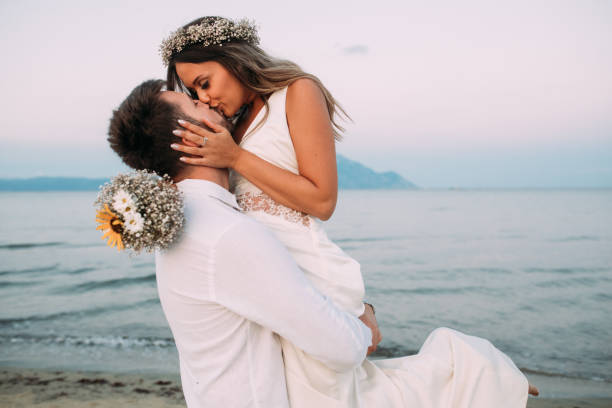
Marriage retreats and couples retreats are becoming an increasingly popular way for partners to reconnect and strengthen their bond. Whether you’re looking to resolve long-standing issues or simply deepen your emotional connection, these retreats offer a unique opportunity for growth and renewal.
But what exactly should you expect when attending a marriage retreat? In this post, we’ll break down the benefits, tips, and advice you’ll need to make the most of your time away, ensuring that you leave with a stronger, healthier relationship.
Why Attend a Marriage Retreat?
Marriage retreats are designed to provide couples with the space, time, and tools they need to improve their relationship. These retreats can be beneficial for couples in any stage of their relationship, whether you’re newly married or have been together for decades.
Here are a few reasons why a marriage retreat might be a great idea:
Reconnect Without Distractions: With daily life constantly pulling you in different directions, it can be hard to find the time to focus on your relationship. A retreat offers a chance to disconnect from work, social media, and other stressors, so you can fully focus on each other.
Learn Relationship Tools: Many retreats feature professional facilitators who lead communication exercises, workshops, and activities that teach couples how to better understand each other, communicate effectively, and resolve conflicts in a healthy way.
Deepen Emotional and Physical Intimacy: A marriage retreat often includes activities designed to foster emotional closeness and intimacy. Whether through guided discussions or shared experiences, these retreats help partners rediscover each other.
Improve Conflict Resolution: If you’ve been facing ongoing issues or disagreements, a retreat can provide strategies and frameworks for resolving conflicts in a constructive manner, preventing resentment from building up.
What Happens During a Marriage Retreat?
Marriage and couples retreats can vary in format, but they typically include a combination of structured activities, personal reflection time, and opportunities for private discussions. Here’s what you can expect:
Workshops and Group Activities: Most retreats offer workshops focused on communication, trust-building, and conflict resolution. You may participate in group discussions where you learn from others’ experiences and share your own. These activities are designed to provide practical tools you can apply in your relationship.
Private Counseling or Coaching Sessions: Some retreats offer one-on-one sessions with relationship experts or coaches, giving you the opportunity to dive deeper into your specific issues. These sessions provide personalized advice tailored to your unique relationship dynamics.
Free Time for Relaxation: Many retreats are held in beautiful, serene locations, allowing couples to relax and recharge. You may have time to enjoy nature, take walks, or simply unwind with your partner in a peaceful setting.
Shared Meals and Social Time: Meals are often shared with other couples, which can provide a sense of community and support. Bonding over meals can be an enjoyable and light-hearted way to connect with other couples going through similar experiences.
Tips for Making the Most of Your Marriage Retreat
Now that you know what to expect, let’s dive into how you can maximize the experience of a marriage retreat. Here are some tips to help you get the most out of your time together:
-
Be Open to Growth: The purpose of a marriage retreat is to help you improve your relationship. Be open to new ideas, strategies, and even uncomfortable moments. Embrace the opportunity to grow as individuals and as a couple.
-
Set Clear Goals: Before attending, have a conversation with your partner about what you both hope to achieve. Whether it’s learning better communication skills, rekindling your intimacy, or simply strengthening your emotional connection, setting goals helps you stay focused during the retreat.
-
Practice Active Listening: One of the key aspects of a successful marriage retreat is improving communication. During the activities, make a conscious effort to listen to your partner without interrupting or making judgments. Show that you’re truly interested in understanding their perspective.
-
Avoid Distractions: One of the benefits of attending a retreat is the chance to disconnect from the outside world. Limit your use of phones and devices, and focus on being present with your partner. This will help you make the most of your time together.
-
Embrace Vulnerability: It’s natural to feel hesitant about opening up, especially when discussing sensitive topics. But remember, vulnerability is a crucial part of building trust and intimacy in a relationship. Let yourself be open and honest with your partner and the facilitators.
-
Give Each Other Space: While marriage retreats offer valuable time to bond, they also provide space for individual reflection. Take some time apart if needed, whether it’s for a quiet walk or personal journaling. This can help you process your thoughts and emotions before coming back together.
After the Marriage Retreat: Keeping the Momentum Going
The real work begins when the retreat is over. It’s easy to slip back into old habits, but if you’re committed to making lasting changes, it’s important to continue applying what you’ve learned.
Here are a few tips for keeping the momentum going:
Set Regular Check-ins: Schedule regular check-ins with your partner to talk about how things are going. This could be a weekly or monthly conversation where you discuss your progress and any challenges you’re facing.
Keep Practicing What You Learned: Whether it’s using better communication techniques or practicing conflict resolution strategies, make sure you continue applying the tools you learned at the retreat. Revisit any exercises or techniques that resonated with you.
Plan Future Retreats: If you found the experience valuable, consider making marriage retreats or couples retreats a regular part of your relationship. Attending a retreat once a year can help keep your relationship strong and provide ongoing opportunities for growth.
Attending a marriage retreat or couples retreat can be a life-changing experience for your relationship. By being open, setting goals, and actively participating in the activities, you can make the most of your time away and leave with tools to strengthen your bond. Remember, the key to lasting change is applying the insights and strategies you learned at the retreat in your everyday life.
Whether you’re looking to reignite the passion in your relationship or tackle more serious issues, a marriage retreat offers the opportunity for both growth and connection. So, take the leap, invest in your relationship, and discover the difference a retreat can make.