

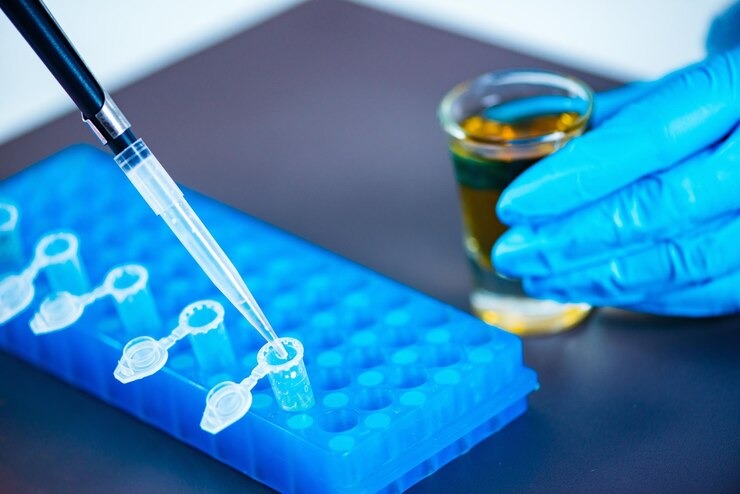
When you perform an SDS PAGE experiment, every detail matters. One of the most overlooked factors is protein concentration. Even if you use high-quality reagents, a well-prepared gel, and optimized running conditions, inaccurate protein concentration can produce misleading or inconsistent results. Understanding how protein concentration influences SDS PAGE helps you generate sharper bands, improve reproducibility, and make better research decisions.
Whether you work in biomedical research, biotechnology, pharmaceutical development, or academic laboratories, optimizing protein concentration before electrophoresis is essential for obtaining dependable data.
Understanding Protein Concentration in SDS PAGE
Protein concentration refers to the amount of protein present in a sample before loading it onto an SDS PAGE gel. Since SDS PAGE separates proteins according to molecular weight, the amount of protein you load directly impacts the clarity and accuracy of the final gel image.
If your sample contains too little protein, important bands may become faint or disappear completely. On the other hand, excessive protein loading can produce smeared bands, distorted migration patterns, and overlapping proteins that are difficult to analyze.
Maintaining an appropriate protein concentration ensures that each protein separates efficiently, allowing you to interpret your results with greater confidence.
Why Proper Protein Concentration Matters
Before running SDS PAGE, you should determine the protein concentration using a reliable quantification method. This simple step helps standardize sample loading across every lane.
Accurate protein concentration improves:
- Band sharpness
- Lane-to-lane consistency
- Quantitative comparisons
- Protein identification
- Experimental reproducibility
- Downstream Western blot analysis
Consistent sample loading also minimizes experimental variability, making it easier to compare biological samples from different treatments or time points.
What Happens When Protein Concentration Is Too Low?
Loading insufficient protein often creates weak or invisible bands. This issue becomes especially problematic when analyzing low-abundance proteins or detecting subtle biological differences.
Low protein concentration may result in:
- Poor visualization
- Missing protein bands
- Reduced sensitivity
- Inaccurate protein quantification
- Difficulty confirming protein expression
You may mistakenly conclude that a protein is absent when the actual problem is inadequate sample loading.
What Happens When Protein Concentration Is Too High?
Many researchers assume loading more protein produces stronger results. In reality, excessive protein often creates the opposite effect.
Overloaded gels commonly produce:
- Smearing
- Thick, distorted bands
- Protein aggregation
- Uneven migration
- Reduced resolution
- Difficulty distinguishing proteins with similar molecular weights
Overloading can also interfere with image analysis software, making densitometry measurements less reliable.
Protein Concentration and Sample Preparation
Proper sample preparation begins long before electrophoresis starts.
You should ensure:
- Samples are thoroughly mixed.
- Protein concentrations are measured accurately.
- Equal amounts of protein are loaded into every lane.
- Sample buffers are prepared correctly.
- Reducing agents are fresh.
- Heating conditions remain consistent.
Following standardized preparation methods greatly improves experimental reproducibility.
Why Equal Loading Is Essential
One of the primary goals of SDS PAGE is comparing proteins between different samples. Unequal protein loading makes those comparisons unreliable.
For example, if one sample contains 15 µg of protein while another contains 40 µg, differences in band intensity may simply reflect loading variation rather than biological changes.
Equal loading helps you distinguish genuine biological differences from technical variability.
Choosing Reliable Protein Quantification Methods
Several laboratory methods are available to measure protein concentration before electrophoresis.
Common options include:
- Bradford assay
- BCA assay
- Lowry assay
- UV absorbance methods
Each technique has advantages depending on sample composition, detergents, reducing agents, and experimental objectives.
Selecting the appropriate quantification method improves accuracy before loading samples onto your SDS PAGE gel.
Protein Concentration and Reproducibility
Reproducibility has become one of the most important priorities in scientific research.
Inconsistent protein concentrations often contribute to:
- Variable band intensity
- Poor repeatability
- Conflicting experimental conclusions
- Difficult peer review
- Reduced confidence in published data
Standardizing protein concentration across experiments makes your findings easier to validate and reproduce.
Best Practices for Better SDS PAGE Results
You can significantly improve gel quality by following several practical recommendations.
Always:
- Measure protein concentration before loading.
- Load identical protein amounts into each lane.
- Avoid overloading gels.
- Use freshly prepared buffers.
- Include molecular weight markers.
- Run positive and negative controls.
- Maintain consistent electrophoresis conditions.
- Record loading concentrations for future experiments.
Small improvements in preparation often produce substantial gains in data quality.
Why Professional SDS PAGE Services Matter
Complex protein samples sometimes require advanced laboratory expertise. Professional laboratories use standardized workflows, validated protocols, and rigorous quality control to reduce technical variability.
If your research depends on highly reproducible protein separation, choosing experienced specialists can improve confidence in your results while saving valuable laboratory time.
For researchers seeking dependable Protein Concentration SDS PAGE analysis services for accurate protein separation, Protein Concentration SDS PAGE services provide carefully optimized electrophoresis protocols designed to support consistent and reproducible protein analysis.
With decades of experience in protein electrophoresis and analytical research, Kendrick Labs, Inc helps researchers achieve reliable protein characterization using proven laboratory methodologies and quality-focused workflows.
If you are planning your next protein analysis project or need expert guidance, Contact us today to discuss your research requirements with experienced protein analysis specialists.
Conclusion
Protein concentration is one of the most influential variables in SDS PAGE experiments. Loading too little protein can hide important biological information, while loading too much may reduce separation quality and create misleading results. By accurately measuring protein concentration, preparing samples consistently, and following standardized laboratory practices, you can achieve clearer bands, better reproducibility, and more reliable scientific conclusions. Careful attention to this critical step strengthens every stage of your protein analysis workflow.
Frequently Asked Questions
Why is protein concentration important in SDS PAGE?
Protein concentration determines how much sample enters each gel lane. Proper loading improves band clarity, resolution, reproducibility, and overall data quality.
What happens if I overload an SDS PAGE gel?
Overloading can cause smearing, distorted bands, poor separation, and inaccurate interpretation of protein expression.
How do I determine protein concentration before SDS PAGE?
Researchers commonly use Bradford, BCA, Lowry, or UV absorbance assays to accurately quantify protein concentration before loading samples.
How much protein should I load onto an SDS PAGE gel?
The ideal amount depends on the gel type, staining method, and sample complexity. Standard laboratory protocols generally recommend optimizing loading amounts for each experiment.
Can incorrect protein concentration affect Western blot results?
Yes. Unequal protein loading during SDS PAGE directly affects protein transfer efficiency and band intensity in Western blot experiments, making accurate comparisons more difficult.
Why should I use a professional protein analysis laboratory?
Experienced laboratories use validated protocols, standardized quality control procedures, and optimized electrophoresis methods to generate consistent, reproducible, and high-quality protein analysis results.


